
Chinese Medicine • Ballina NSW
Neuro-Acupuncture for Neurological Conditions
If you’ve been through the specialist circuit and can’t find help or hit a plateau, neuro-acupuncture can help. It marries modern mapping of the brain with traditional Chinese medicine.
The approach looks to restore the body’s proper function rather than symptom suppression.
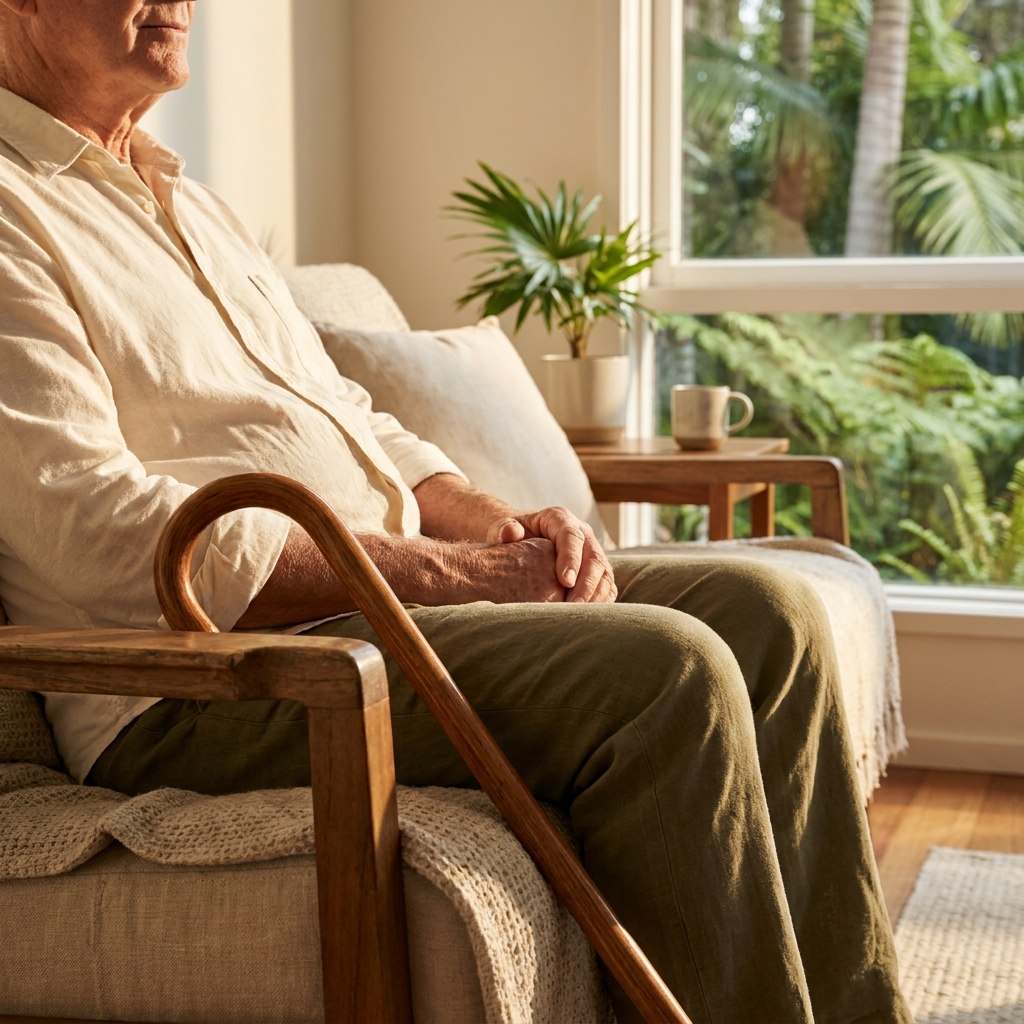
Recovery is Never a Straight Line
Wherever you are in your journey we can help support you.

Just diagnosed
You know what it’s called now. What you don’t know is what that means for the next year, or what your options actually are beyond the prescription you’ve been given.
In treatment, but not fully controlled
You’re on medication or seeing a specialist. Symptoms are still present. You want something that adds to the picture without creating more complications.
Plateau'd in rehab
Physio, OT, or speech therapy has helped, but the gains have slowed. You’re not where you wanted to be, and you’re not sure what’s next.
Living with a progressive condition
MS or Parkinson’s isn’t going away. The question is how to manage the symptom load over the long term and stay as functional as possible.
Recently affected
Bell’s palsy, a stroke, or a brain injury happened in the last weeks or months. You want to act while the recovery window is still open.
Caring for someone
You’re researching on behalf of a family member. You want to know what Chinese medicine can realistically offer, and whether it’s worth pursuing.
What We Treat
Six neurological presentations seen most often here. They share a common Chinese medicine framework — channel obstruction, deficiency, and disrupted flow — with different patterns beneath each diagnosis.
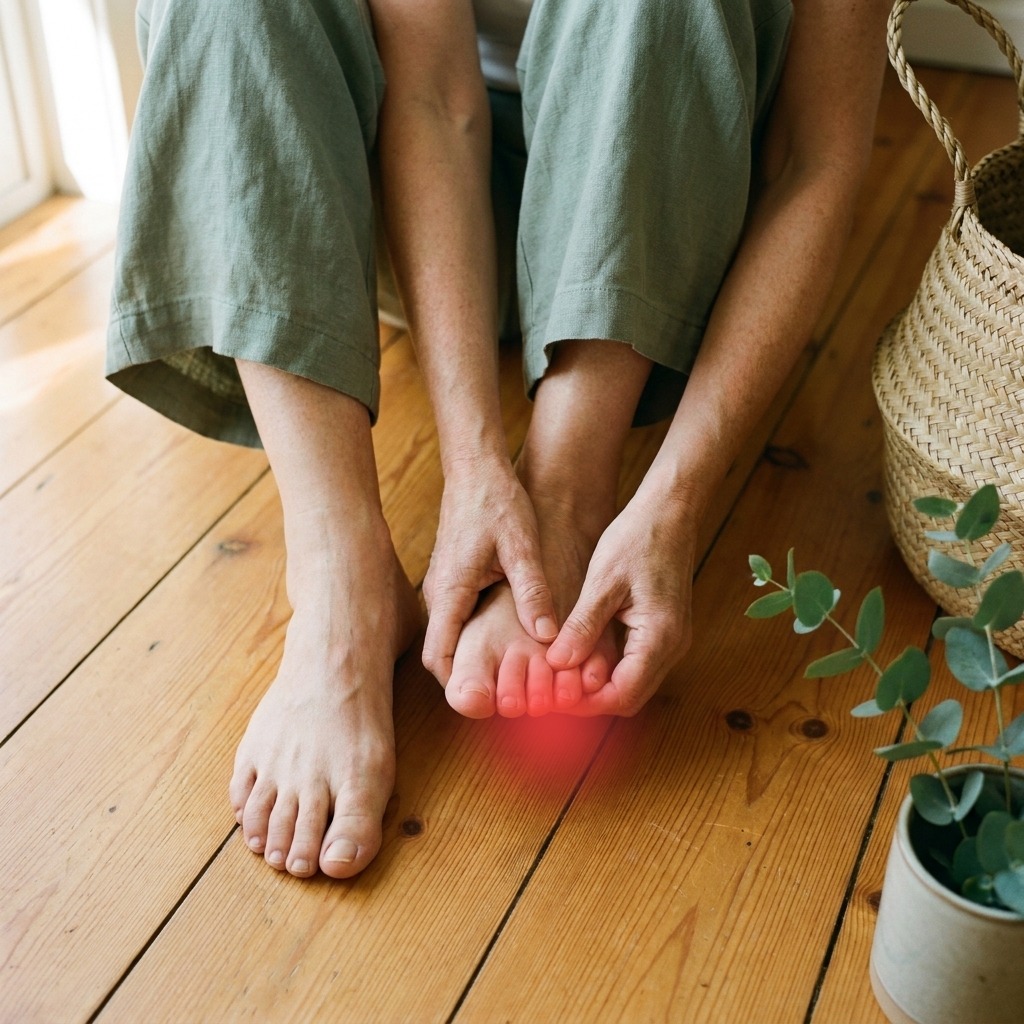
Peripheral Neuropathy
Helps numbness, burning, or tingling in the hands and feet by enhancing circulation, releases nerve entrapments, and reduces inflammation.
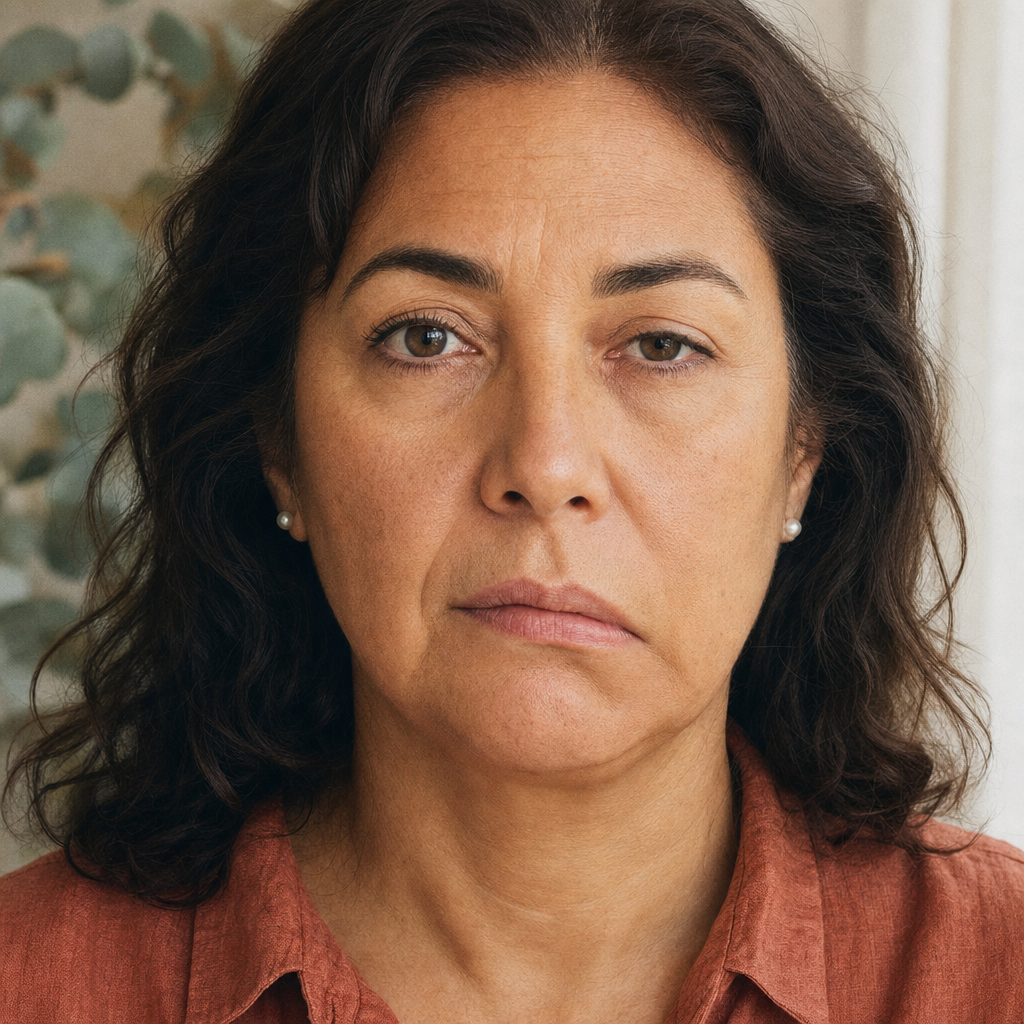
Bell's Palsy
Facial weakness or paralysis on one side. Fastest response comes from treatment in the first few weeks, though longer-standing cases still benefit.

Stroke Recovery
Amplify the effects of current therapies. The focus is restoring motor function, reducing spasticity, and improving speech recovery.
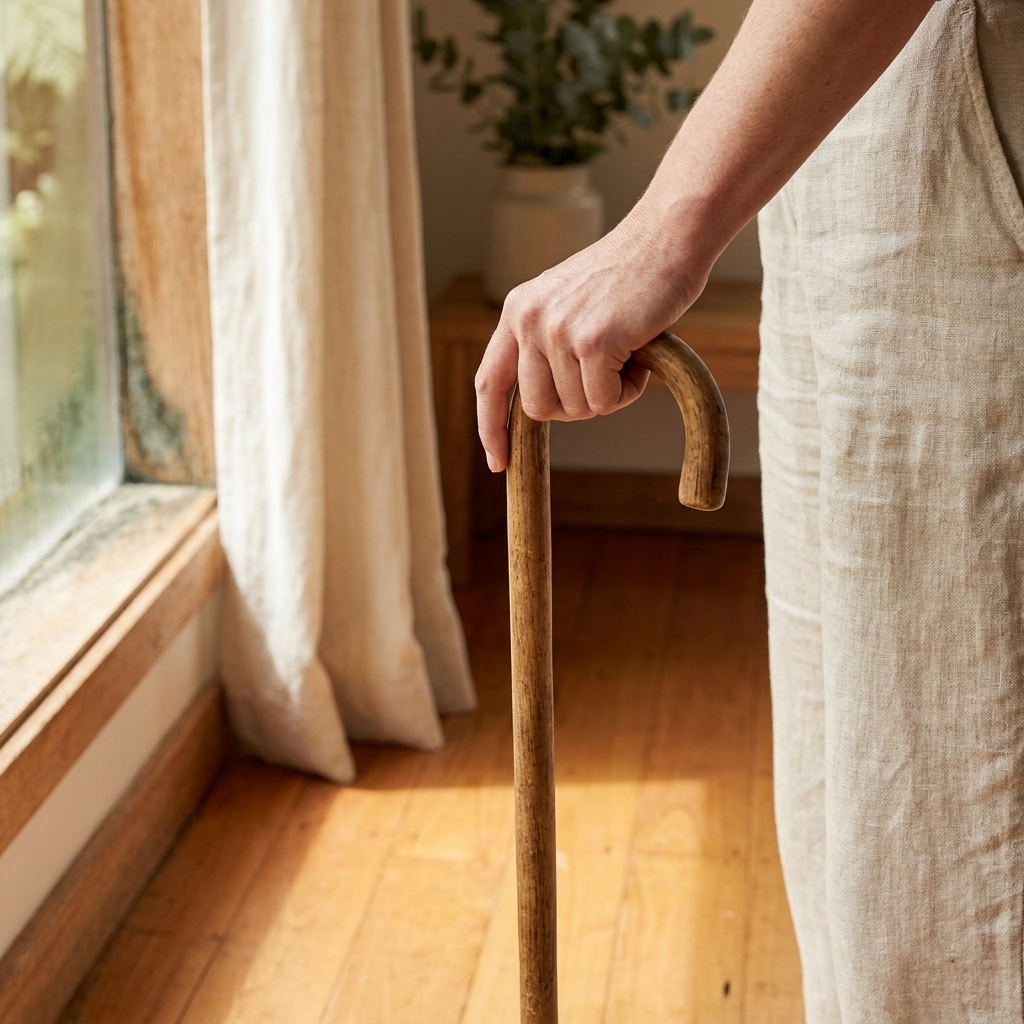
Multiple Sclerosis
Adjunct support alongside your neurologist’s care, working on the symptom load: fatigue, spasticity, neuropathic pain, and brain fog.
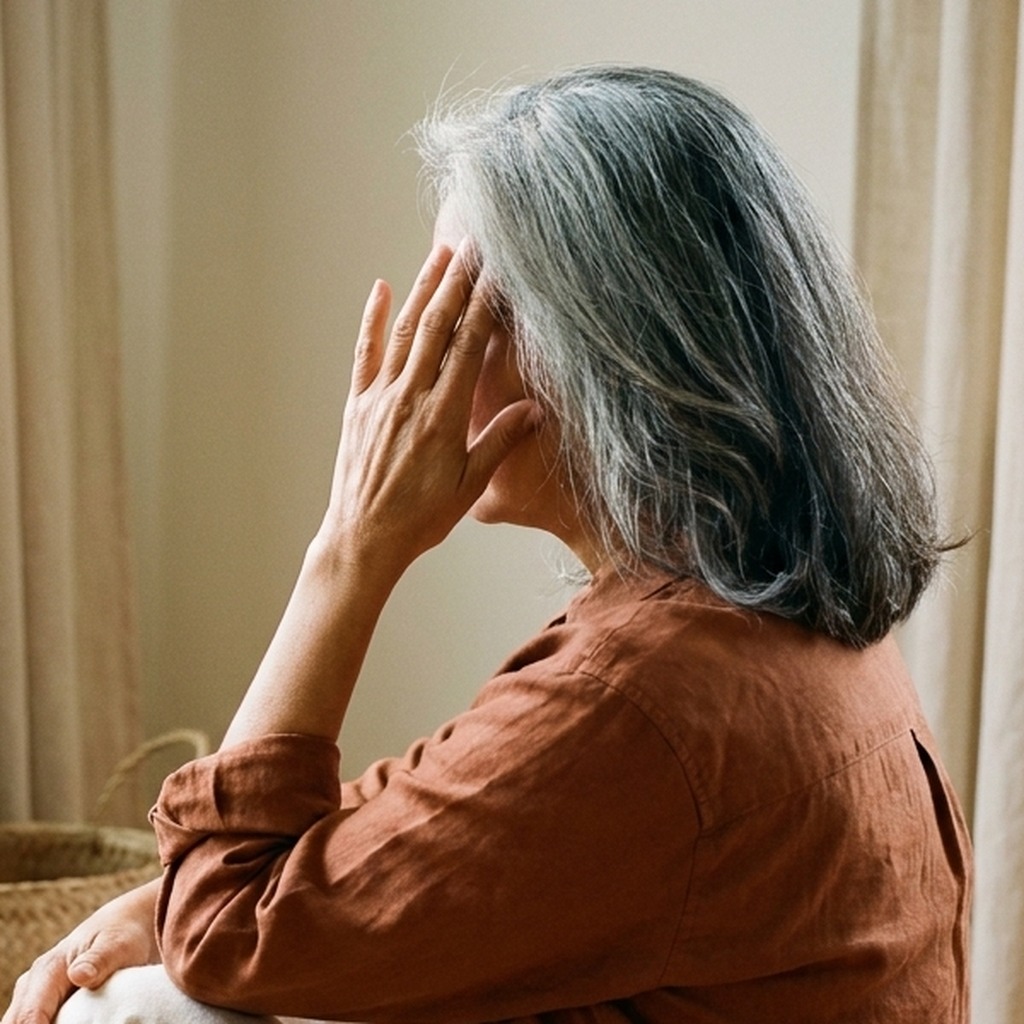
Brain Injury / Post-Concussion
Helps symptoms that drag on for months or years post concussion: persistent headache, brain fog, sleep issues, and emotional changes.
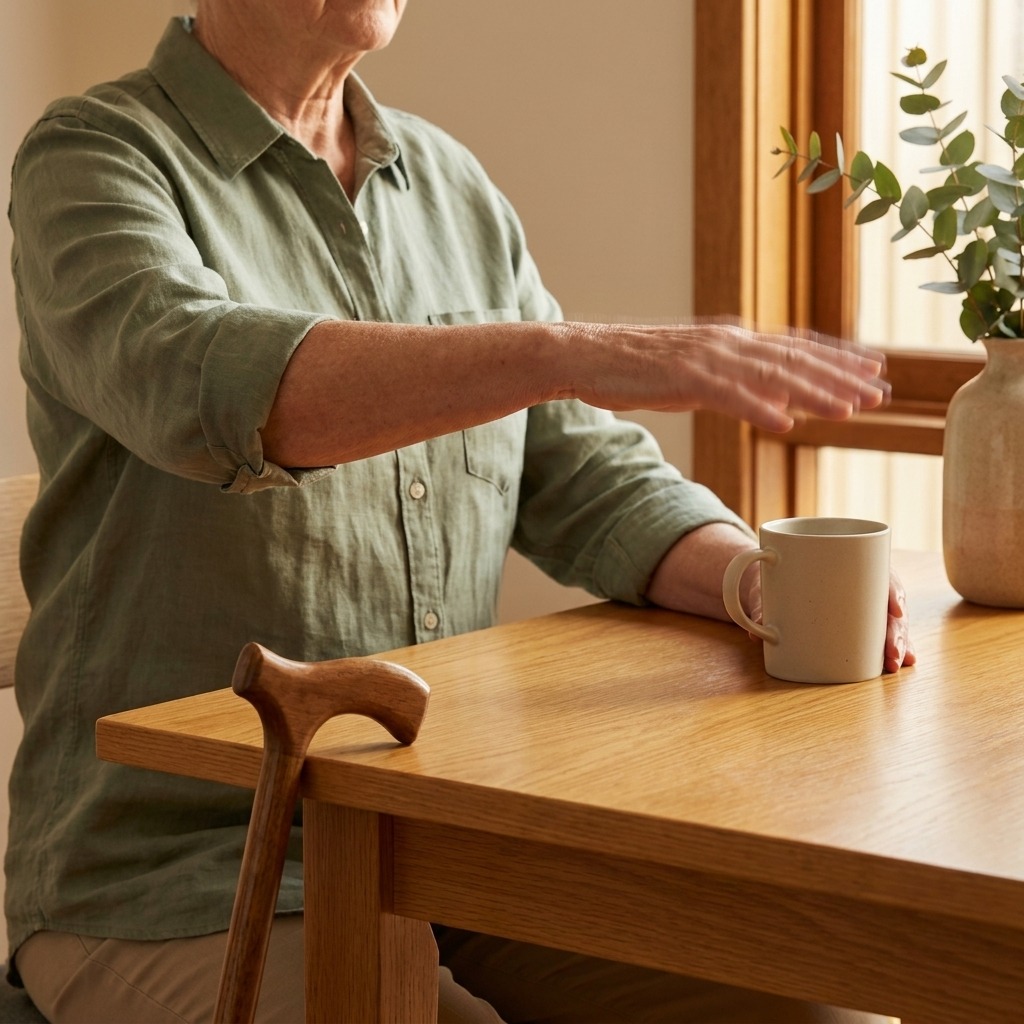
Parkinson's Disease
Patients come initially for tremor, balance and stiffness issues. Usually surprised by the additional benefits of sleep, constipation, fatigue, and mood support.
How Chinese Medicine Understands Neurological Conditions
Western neurology maps the hardware. Neurons, myelin sheaths, neurotransmitters, lesion location, nerve conduction velocity. It’s a precise and useful map. What it doesn’t always explain is why two people with the same MRI finding have completely different symptom profiles, or why one person with Bell’s palsy recovers in six weeks and another is still struggling at six months.
Chinese medicine maps the flow through the channels. The nervous system in this model is governed primarily by three organ systems: the Kidney, which produces the essence that builds the marrow and nourishes the brain; the Liver, which maintains smooth and unobstructed flow and keeps internal Wind from arising; and the Heart, which houses the Shen (consciousness and cognitive function). When any of these systems are deficient or obstructed, neurological symptoms follow.
Same Diagnosis, Different Pattern
The pattern across most of the six conditions here is some form of channel obstruction. Blood stasis after stroke or brain injury. Phlegm accumulating in the channels in MS or post-concussion. Wind invading the facial channels in Bell’s palsy. Deficiency of Kidney essence creating internal Wind in Parkinson’s. The Western diagnosis tells you where the problem is. The Chinese medicine pattern tells you what to do about it.
Same Western diagnosis, different TCM pattern. Two patients with peripheral neuropathy might look quite different: one is cold, worse in winter, with a pale tongue, pointing toward Yang deficiency with cold-damp. Another runs warm, has a dry mouth and burning pain, pointing toward Yin deficiency with empty heat. Both have neuropathy. The treatment is different.
Scalp Acupuncture for Neurological Conditions
For neurological presentations, scalp acupuncture is a significant part of the toolkit here. Both Zhu style and Jiao style scalp acupuncture are used. Jiao Shunfa’s zones map neurological function (motor, sensory, balance, speech) onto the scalp surface, corresponding to underlying cortical areas. Zhu’s system adds a channel logic layer. For stroke recovery, TBI, and Parkinson’s, scalp acupuncture is often a central feature of treatment, not an add-on.
What a Treatment Looks Like for Neurological Conditions
The first visit runs 75 to 90 minutes. Most of that is the history: onset, progression, what’s changed, what hasn’t, medications, imaging results, what you’re managing well and what you’re not. Tongue and pulse give additional diagnostic information that the history alone doesn’t fully capture.
Treatment typically includes both body acupuncture and scalp acupuncture. Jiao style zones are selected based on the functional system affected: motor zone for hemiplegia, speech zone for dysphasia, sensory zone for neuropathic pain. Zhu style adds the channel layer. Points are retained for 30 to 40 minutes. Some patients notice a response in the first session. Others take a few weeks.
For acute Bell’s palsy, twice-weekly treatment in the first month gives the best outcomes. For stroke recovery and Parkinson’s, weekly treatment for the first 8 to 12 weeks, then reassess. Most neurological cases are longer-term commitments than a sprained ankle or tension headache.
Chinese herbal medicine is prescribed alongside acupuncture for most patients. The formula is built around the pattern and shifts as the pattern changes. For stroke recovery and TBI, formulas that move blood stasis and open the orifices are central. For MS and Parkinson’s, the foundation is usually supplementing Kidney-Liver Yin and essence.
If you’re working with a physio, OT, or speech therapist, that continues. The work here sits alongside those modalities. Eric (AHPRA CMR0002758292) is happy to write clinical notes if your treating team finds that useful.
Common Questions
Can acupuncture actually help neurological conditions?
The evidence base varies by condition. Bell’s palsy has the strongest clinical evidence, including a 2015 PMC meta-analysis (PMID 25887996) showing significant benefit in recovery rate and time. Stroke recovery has solid RCT-level evidence from a 2022 Frontiers in Neurology trial. For MS, Parkinson’s, and post-concussion syndrome, the evidence is more preliminary, but research is active and growing.
In clinical practice, many patients with these conditions find Chinese medicine adds something their neurologist cannot offer: attention to the symptom burden, fatigue, sleep, quality of life, and the patterns driving those issues.
How does Chinese medicine explain neurological disorders?
Most neurological conditions, in this framework, trace to some combination of channel obstruction (blood stasis, phlegm, or Wind) and organ system deficiency (Kidney essence, Liver Yin, Heart Shen). The specific pattern is identified through tongue, pulse, and symptom history. Two people with the same Western diagnosis often have different TCM patterns, and different treatment plans.
Will acupuncture interfere with my medication?
No. Acupuncture does not interact pharmacologically with medication. For patients on anticoagulants (warfarin, aspirin, newer blood thinners), extra care is taken with needle placement to minimise bruising. For patients on Parkinson’s medications, treatment can be timed around dosing schedules where possible. Bring your medication list to the first appointment if you have any concerns.
How quickly can I expect to see results?
It depends heavily on the condition and how long it’s been present. Bell’s palsy treated early, within the first month, often shows meaningful recovery within 6 to 12 weeks of acupuncture. Stroke recovery and post-concussion are longer commitments, often 3 to 6 months before clear change is visible. MS and Parkinson’s are ongoing adjunct support rather than time-limited courses. Eric gives a realistic timeline at the first appointment.
Do you treat children with neurological conditions?
Yes. Paediatric acupuncture is available for children with neurological presentations including post-concussion and Bell’s palsy. The approach adjusts for age: shorter needle retention, fewer needles, and shonishin (a non-inserted Japanese technique) for very young children. Contact the clinic before booking if your child has a neurological condition, so the intake can be prepared accordingly.
Where are you located and how do I book?
Kentro Health is at 18 Cherry St, Ballina NSW 2478. Patients come from Ballina, Byron Bay, Lennox Head, Bangalow, and across the Northern Rivers. Book online at drhigashino.com/bookings/ or call 0411 864 736. If you have questions before booking, the contact page is the easiest way to reach us.