
Chinese Medicine • Ballina NSW
Acupuncture for Mental Health
Mental health conditions are some of the most common reasons people come to see a Chinese medicine doctor.
Anxiety that medication doesn’t quite control. Depression that lifts a little, then settles back. Brainfog that doesn’t recover with rest.
The approach addresses the root cause, not suppressing symptoms.
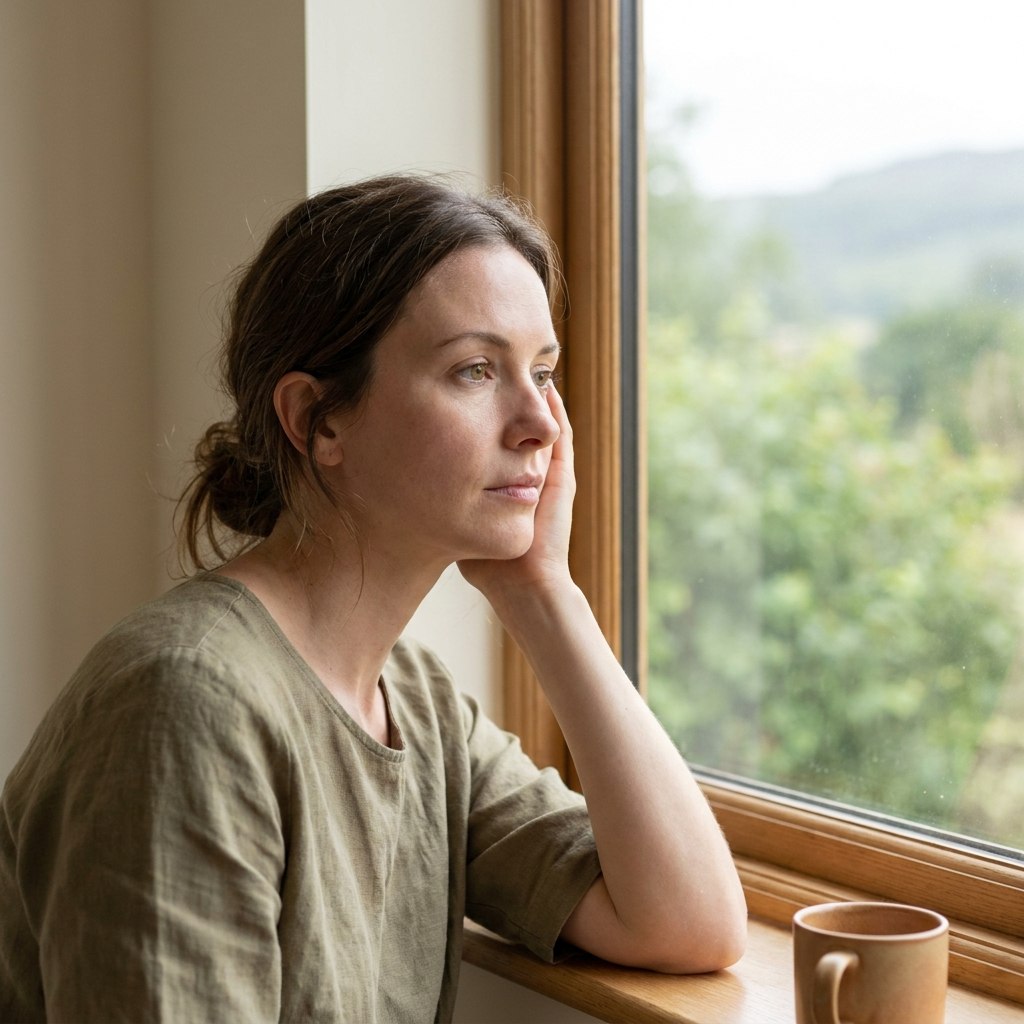
Where You Are Right Now
Most people arrive at Chinese medicine after trying the conventional path. Whichever point you’re at, there’s a way in.
Things have just fell apart
You’ve tried things. Some of it helps. But the baseline is still too high, the sleep still too light, the sense of dread still too close to the surface.
Currently medicated, but still suffering
Not acute. Not in crisis. But not right. The fog lifts some days and closes back in. Nothing has fully gotten you there.
Been suffering for decades
You may have suffered from some trauma or have been digging holes and putting your emotions into them for many years.
What We See in Clinic
Eight mental health presentations seen most often here. They share a common Chinese medicine framework but carry different patterns beneath each diagnosis.
Anxiety and Panic
Anxiety often shows up alongside gut symptoms, poor sleep, and a racing mind. Usually a combination of patterns that feed each other.
Depression
Depression presents differently person to person. Some are flat and stuck. Others are exhausted. The pattern determines the approach.
Insomnia
Poor sleep affects mood, concentration, and recovery. Chinese medicine looks at what’s keeping the mind active at night and works from there.
Burnout
Not tiredness you can sleep off. Burnout depletes something deeper, and rest alone won’t rebuild it. That’s where treatment starts.
PTSD and Trauma
Nervous system locked in alert: sleep disturbed, startle response heightened, mood unpredictable. Acupuncture has a solid research base for PTSD.
ADHD
Acupuncture doesn’t target ADHD as a diagnosis. It works with the underlying picture: scattered energy, poor sleep, and an overstimulated nervous system.
Grief
Grief has its own physiology. When it gets stuck it depletes and dims. Chinese medicine supports the process of moving through it.
Schizophrenia
Psychiatric care stays primary. Chinese medicine is adjunct support for quality of life, sleep, and managing the side effects of long-term medication.
Postnatal Depression
Mood changes after birth are common. When they linger, Chinese medicine supports recovery alongside your standard postnatal care.
How Chinese Medicine Understands Mental Health
Western psychiatry maps neurochemistry: serotonin, GABA, dopamine, HPA axis dysregulation. It’s a useful and often precise map. Chinese medicine maps organ systems. The Heart houses the Shen (mind, consciousness, the seat of thought and emotion). The Liver governs smooth flow of Qi and emotion, and when it stagnates, things back up. The Kidney holds the constitutional reserves and governs the fear response. Different maps. Same person.
“The Heart houses the Shen” isn’t a poetic expression. It’s a clinical observation that informs needle selection, herbal prescription, and treatment priority. When the Heart Yin is depleted, the Shen has no anchor, and anxiety, insomnia, and emotional fragility follow. When the Liver stagnates, emotion backs up: the irritable, exhausted, flat presentation that looks like depression on a bad day and chronic stress on a better one.
Pattern diagnosis means two people with the same Western label may have entirely different TCM patterns, and will receive different treatment. That’s not inconsistency. It’s the mechanism by which this approach works where generalist protocols don’t.
For people whose mental health presentations are entangled with chronic physical illness, or where standard treatments haven’t moved the picture, the crossover into chronic and complex conditions is worth exploring.
What a Treatment Looks Like for Mental Health
The first visit runs 75 to 90 minutes. Mental health histories take time: emotional patterns, sleep quality, digestion, constitutional presentation, what’s already been tried and what moved, and what didn’t. Tongue and pulse add information that a verbal history alone doesn’t provide.
Treatment is acupuncture, plus a Chinese herbal formula in most cases. The formula is built around the pattern. It changes as the pattern changes. For acute anxiety, the formula and needles target the Heart and Liver. For burnout, the approach shifts to the Kidney and rebuilding of constitutional reserves.
Most people notice sleep and stress responses shift first, usually within two to four weeks. Mood changes more slowly. Trauma presentations require the longest commitment. A realistic picture of what to expect is part of the first consultation.
This clinic works alongside GPs, psychologists, and psychiatrists. If your prescribing doctor needs clinical notes, they can be provided. Medication changes are not advised here. Any change to your prescribing is a conversation with your prescribing doctor.
Eric Higashino, AHPRA CMR0002758292. About Eric.
Common Questions
Can acupuncture actually help mental health conditions?
Research support varies by condition. PTSD has the strongest evidence base, including incorporation into trauma care protocols by healthcare systems internationally. Anxiety and insomnia have moderate evidence from multiple RCTs and systematic reviews. Depression has preliminary evidence (Cochrane 2018 review, ScienceDirect 2025 systematic review). ADHD and grief have limited RCT evidence, though the clinical rationale for addressing co-occurring patterns is sound. Eric gives a condition-specific picture at the first consultation.
How does Chinese medicine understand anxiety and depression differently from Western medicine?
Western psychiatry focuses on neurochemistry: serotonin, GABA, HPA axis. Chinese medicine focuses on organ system patterns. Heart Yin deficiency creates anxiety with a different quality than Liver Qi stagnation does. Two people with the same diagnosis may have different TCM patterns, and different treatment approaches follow. The pattern determines the treatment, not the label.
Will acupuncture interfere with my medication or therapy?
No. Acupuncture does not interact pharmacologically with medication. If you’re seeing a psychologist or in active psychiatric care, that continues alongside treatment here. Medication changes are never advised at this clinic. Any change to your prescribing is a conversation with your prescribing doctor.
How many sessions before I notice a difference?
Sleep and stress responses are often the first to shift, usually within two to four weeks. Mood changes more slowly. Trauma presentations typically require 3 to 6 months of consistent treatment before clear change is visible. Eric gives a realistic timeline at the first appointment, specific to your presentation and history.
Is this appropriate for someone in a mental health crisis?
Acupuncture is a complementary therapy. It is not appropriate as a primary response during an acute mental health crisis. If you’re in crisis, please contact your GP, go to your nearest emergency department, or call: Lifeline: 13 11 14 (24/7) | Beyond Blue: 1300 22 4636 | Emergency: 000. Acupuncture may be a useful adjunct once crisis support and stabilisation are in place.
Where are you located and how do I book?
Kentro Health is at 18 Cherry St, Ballina NSW 2478. Patients come from Ballina, Byron Bay, Lennox Head, Bangalow, and across the Northern Rivers. Book online at drhigashino.com/bookings/ or call 0411 864 736. If you have questions before booking, the contact page is the easiest way to reach us.