Why Does Standing Up Feel Like Running a Sprint? A Chinese Medicine Look at POTS

Sarah came in carrying a list. Not a shopping list. A symptom list, handwritten on two sides of an A4 page, items added in different pens like she’d been building it over months.

Heart racing every time she stood up. Dizzy spells that turned mornings into obstacle courses. Exhaustion so deep it had a texture. She’d seen four doctors in two years. They’d ruled out everything they could think of, and one had gently suggested she consider anxiety.

She sat across from me looking tired in a very specific way. Not sad. Not dramatic. Just worn.

She didn’t have anxiety. She had POTS.


Postural Orthostatic Tachycardia Syndrome (POTS) is one of those conditions that doesn’t fit neatly into a single specialty. Cardiology looks at the heart. Neurology looks at the nervous system. Endocrinology looks at hormones. Nobody coordinates the whole picture.

What it looks like: you stand up, your heart rate surges by 30 beats per minute or more, and your body scrambles to compensate. Dizziness, fatigue, brain fog, palpitations, sometimes nausea. It’s not imaginary, and it’s not rare. Estimates put it at between 50,000 and 250,000 Australians, mostly women, often triggered by illness, surgery, or a stretch of sustained stress.

Western medicine is still working out why. Chinese medicine has its own map for it. And the map is useful.

The Pump Needs Three Things

Think of the Heart as the pump in a system that depends on three things: enough fluid to pump, enough power to move it, and steady control of that rhythm. When all three are working, you stand up and the body adjusts without you noticing. When any one of them is off, standing up becomes a problem.

The Spleen handles supply. Everything you eat and drink gets converted into Qi and Blood, the fluid filling the system. When digestion is weak, volume drops. Not enough volume means not enough to push uphill when you stand. The brain is the highest point. It feels the shortage first.

The Kidneys provide the driving force. They’re the body’s root energy, the pressure behind circulation that helps push blood upward against gravity. The Kidneys also provide the warmth and energy for the Spleen and Heart.

The Heart regulates the rhythm. It adjusts constantly, when you move, when you stand, when demand changes. A healthy heart makes that adjustment without drama, not just to movement, but also your emotions.

POTS is what happens when this coordination fails. Gravity pulls blood downward, and the system can’t hold steady. The volume may be too low. The driving force too weak. The regulation too unstable. Usually some combination of all three.

So the Heart does the only thing it can: it speeds up. Not because it’s broken. Because it’s trying to manage a system that isn’t holding.

That’s where the symptoms come from. Not enough reaching the brain: dizziness, fog. System underpowered: fatigue that sits in your bones. Regulation unstable: racing, pounding, that uncomfortable awareness of your own heartbeat.

The patterns below map to which part of the system is failing.

Which Pattern Are You?

🌱 Weak Cooking Pot: Spleen Qi Deficiency

The Spleen in Chinese medicine is the body’s cooking pot. It transforms food and drink into blood and Qi. When the pot is weak, it can’t produce enough. Not enough blood to fill the vessels. Not enough fuel to keep the pressure up. Stand up, and there’s simply not enough volume to reach the higher ground. The brain gets less blood. The heart races to compensate.

Key symptoms: Fatigue worse after eating · bloating · loose stools · heavy limbs · brain fog · pale face · low appetite · dizziness on standing

How to check yourself:

  • Tongue: Pale, slightly swollen, scalloped (wavy) edges, thin white coat
  • Do you crash after meals instead of feeling fuelled?
  • Is your stomach often bloated or unsettled?
  • Cold, slightly puffy hands?

Read more: What is Spleen Qi Deficiency?

🔥 The Empty Campfire: Kidney Yang Deficiency

Kidney Yang is the body’s pilot light, the warmth and drive that keeps everything moving. When it’s low, blood volume isn’t the only problem. The force behind circulation is underpowered too.

Key symptoms: Bone-deep exhaustion · cold hands and feet · lower back ache · worse in cold weather · slow metabolism · needing extra sleep · pale/puffy face

How to check yourself:

  • Belly warmth: Place your hand just below your navel. It should be one of the warmest spots on your body. Compare it to the side of your abdomen, or ask someone to compare theirs. If it feels cold or the same temperature, the Kidney Yang flame is low.
  • Tongue: Pale, wet, possibly swollen with a white coat
  • Always the coldest person in the room?
  • Wake up already depleted even after a full night’s sleep?

❤️ The Restless Heart: Heart Yin Deficiency

The heart races partly because it’s undernourished, running hot and empty. Heart Yin deficiency often sits on top of other patterns. Same fatigue, but with anxiety and sleeplessness layered on.

Key symptoms: Palpitations · racing heart at rest · anxiety · poor sleep · night sweats · dry mouth at night · restless mind · afternoon flushing

How to check yourself:

  • Tongue: Red tip (Heart zone), dry with little or no coat
  • Do you wake between 11pm–1am with your mind running?
  • Night sweats that stop when you wake up?
  • Awareness of your own heartbeat when lying still?

🌊 The Waterlogged Ground: Dampness/Phlegm

Sometimes the problem isn’t depletion. It’s accumulation. Dampness and Phlegm build when the body can’t process and move fluids properly. Instead of a river running dry, think boggy ground: waterlogged, heavy, nothing draining. The legs feel like wet clay. The head is stuffed from the inside. Not the exhaustion of running on empty. Something heavier.

Key symptoms: Heavy waterlogged feeling · thick brain fog (“thinking through wet cotton”) · muzzy head on standing · nausea or chest fullness · mucus · puffiness · sluggish digestion · worse in humid weather

How to check yourself:

  • Tongue: Swollen and wet, thick greasy white or yellow coat
  • Do your limbs feel heavy and hard to move, especially in the morning?
  • Is your brain fog more like thickness than tiredness? Muffled and stuffed, not just flat?
  • Feel noticeably worse on humid or rainy days?

What Started It?

When Sarah came in, nobody had asked her what happened before the POTS started. It turned out she’d had a bad viral illness two years earlier, one of those “never quite recovered” situations. In Chinese medicine, we’d say the illness left a residue, depleted her Qi and blood, and left her Spleen and Heart running on empty.

That’s not a diagnosis conventional medicine has a great name for. But it’s a pattern we recognise. And it’s a pattern we can work with.

POTS doesn’t have a cure yet. But there’s usually room to feel better than you do right now. That’s a worthwhile place to start.


If you’re living with POTS or suspect you might be, get a proper diagnosis through your GP or cardiologist first. A tilt-table test is the gold standard. From there, Chinese medicine can work alongside your existing care to support recovery.


When do your symptoms hit hardest? Morning, after eating, in cold weather? The timing is a clue.

Living with POTS?

Getting a diagnosis is the first step. Working out which part of your system is struggling is the next one. Chinese medicine won’t replace your cardiologist. But it can work alongside your existing care to address what’s underneath.

If you’d like to work out your pattern and build a plan around it, I’m happy to help.

Book a consultation


Alpha-Gal Syndrome Treatment with Acupuncture in Northern Rivers

Alpha-gal syndrome is one of the strangest allergies medicine has discovered.

People who previously ate red meat without problems suddenly develop severe allergic reactions — sometimes hours after eating foods containing beef, pork, lamb, dairy, or even gelatin.

Even more unusual?

It often starts after a tick bite.

In recent years, acupuncture clinics around the world have begun using a specialised ear acupuncture technique called Soliman Auricular Allergy Treatment (SAAT) developed by Dr. Nader Solimon to help reduce reactivity in people with alpha-gal syndrome.

While this approach is still being researched, many patients have reported significant improvement.

At my clinic, we use acupuncture and Chinese medicine approaches inspired by this method to support people with complex immune reactions, including alpha-gal syndrome.


What Is Alpha-Gal Syndrome?

Alpha-gal syndrome (AGS) is an allergy to a sugar molecule called galactose-α-1,3-galactose, commonly called alpha-gal.

This molecule is found in:

  • Beef

  • Pork

  • Lamb

  • Venison

  • Dairy

  • Gelatin

  • Many medications and supplements


Unlike most food allergies, alpha-gal reactions are delayed, typically appearing 2–8 hours after exposure. 

This delayed reaction can make it extremely difficult to identify the cause.

Symptoms may include:

  • Hives

  • Severe stomach pain

  • Nausea and vomiting

  • Diarrhoea

  • Fatigue

  • Difficulty breathing

  • Anaphylaxis


For some people, even inhaling cooking fumes from red meat can trigger symptoms.


How Do People Develop Alpha-Gal?

The condition is believed to develop after tick bites.

When certain ticks bite humans, they can trigger the immune system to produce antibodies against the alpha-gal molecule. Later, when the person eats mammalian products containing this molecule, the immune system reacts aggressively.

In Australia, ticks have been associated with the development of red-meat allergies similar to alpha-gal syndrome.


The Problem with Current Treatment

Conventional treatment typically focuses on avoidance and symptom management, including:

  • Strict avoidance of mammalian foods

  • Antihistamines

  • Emergency epinephrine for severe reactions


For many people, this means living with constant vigilance around food and medication ingredients.

There is currently no universally accepted cure for alpha-gal syndrome.


A Different Approach: Auricular Acupuncture (SAAT)

A specialised form of ear acupuncture called Soliman Auricular Allergy Treatment (SAAT) has gained attention for its potential to reduce allergic reactions.

This method involves placing a very small acupuncture needle at a specific point in the ear associated with the allergen response.

The needle typically remains in place for around three weeks, allowing continuous stimulation of the point.

The theory behind this approach is that the treatment may help retrain the immune system, reducing its overreaction to specific allergens. 

In a published case series involving people with alpha-gal syndrome:

  • 96% of patients reported remission of symptoms after treatment

  • No adverse reactions from the ear acupuncture procedure were reported 


While more controlled studies are still needed, these results have generated significant interest in acupuncture-based allergy treatment.


How Acupuncture May Help Immune Regulation


From a Chinese medicine perspective, allergic conditions often involve a pattern of immune dysregulation.

The body becomes overly reactive to substances that should be harmless.

Acupuncture aims to help restore balance in several ways:

  • Regulating immune responses

  • Calming inflammatory reactions

  • Supporting gut and digestive function

  • Stabilising nervous system responses


Think of the immune system like a smoke alarm that has become too sensitive.

Instead of only going off when there is a real fire, it starts blaring when someone makes toast.

Treatment focuses on helping the system become appropriately responsive again.


What Treatment Looks Like

Treatment typically involves:

1. Initial consultation

We review your history, triggers, symptoms, and reactions.

2. Acupuncture treatment

A small ear acupuncture needle may be placed at a point associated with the allergen.

This needle is usually very small and most people barely notice it once placed.

3. Monitoring period

Over the course of 3 weeks, I see you once a week to check the needle and update your herbal formula.

4. Reassessment

After 3 weeks we assess your response and determine next steps.


Additional acupuncture and Chinese medicine treatment may be used to support immune balance and digestive function.


Is This Treatment Right for Everyone?

Alpha-gal syndrome varies widely from person to person.

Some people have mild symptoms, while others experience severe reactions.

Acupuncture approaches may be helpful for:

  • People with confirmed alpha-gal syndrome

  • Individuals with unexplained food reactions after tick bites

  • People with complex allergy patterns

  • Patients looking for integrative approaches to immune regulation


This treatment is not a substitute for emergency allergy care, and patients should continue following medical guidance regarding food avoidance and emergency medications.


When to Consider Getting Help

If you have experienced:

  • Allergic reactions hours after eating red meat

  • New food sensitivities following a tick bite

  • Unexplained delayed allergic reactions

  • Reactions to gelatin, dairy, or mammalian products


It may be worth investigating whether alpha-gal syndrome could be involved.


Alpha-Gal Treatment in Northern Rivers

At my clinic in Ballina, NSW, I work with patients experiencing complex and difficult-to-diagnose conditions, including unusual allergic reactions.

Treatment combines:

  • Acupuncture

  • Chinese herbal medicine when appropriate

  • Immune and digestive system support


The goal is not simply to suppress symptoms, but to help restore balance to the body’s regulatory systems.


Book a Consultation


If you suspect alpha-gal syndrome or are struggling with unusual food reactions, we can discuss whether acupuncture treatment may be appropriate for your case.

👉 Book a Consultation


Gu Syndrome for Mould, Ticks & Complex Chronic Illness

If you’ve done the tests, tried the protocols, changed the diet, bought the supplements… and you still don’t feel like yourself, this page is for you.

Gu Syndrome is a classical Chinese medicine pattern lens for cases that are stubborn, multi-system, and prone to relapse, often seen in people dealing with mould exposure / CIRS-style illness, tick-borne illness patterns, chronic fatigue, and other “nothing fits neatly” chronic conditions.

What we do here: we build a clear plan to reduce reactivity, restore capacity, and move you forward step-by-step, without throwing the kitchen sink at you.

If You’ve Tried Everything and Still Feel Stuck

This isn’t about being “weak” or “not trying hard enough.” Complex chronic illness can behave like a smouldering fire behind a wall, it’s not always obvious where it’s coming from, but it keeps flaring up in different rooms of the house.

This commonly looks like…

  • Fatigue that isn’t fixed by rest

  • Brain fog, “wired but tired,” poor sleep

  • Gut issues (bloating, food reactions, nausea, unstable appetite)

  • Sensitivities (smells, mouldy buildings, foods, supplements)

  • Symptoms that move around or change week to week

  • Big setbacks from small stressors (a virus, travel, a busy week)

  • You’ve had some improvements… but they don’t hold

The cases we most often see under this umbrella

  • Mould exposure / CIRS-style illness presentations

  • Tick-borne illness labels or suspicion

  • Chronic fatigue / post-viral / long recovery states

  • Multi-system chronic inflammation patterns (gut–skin–sinus–neuro overlap)


If you’re looking for a one-visit quick fix, this is probably not the right fit.

If you want a structured plan and someone used to complex cases, keep going.

The Gu Case Plan (How We Work With Complex Chronic Cases)

Most people with complex chronic illness fail for one of two reasons:

  1. They never get a clear model of what’s actually driving the pattern, or

  2. They try to “kill the problem” before their system has the capacity to handle it.

We do the opposite: stabilise first, then create an internal environment that doesn't allow the disease to re-establish.

Step 1 — Stabilise & reduce reactivity

Before we push anything, we focus on fundamentals that help your system stop overreacting:

  • regulation, sleep, digestion, stress-load

  • calming “flare mechanics” so you’re not constantly sliding backwards

Step 2 — Identify your main pattern drivers

This is where Chinese medicine pattern differentiation shines. We map:

  • what’s primary vs secondary

  • what’s maintaining the loop

  • what needs to be addressed now vs later

Step 3 — Layer-by-layer strategy (not kitchen-sink protocols)

Complex cases respond best to sequencing:

  • one clear phase at a time

  • adjust based on feedback

  • avoid the “too much too soon” crash cycle

Step 4 — Consolidate gains & prevent relapse

The finish line isn’t “a good week.” It’s:

  • more stable energy

  • fewer flare-ups

  • better resilience under normal life stressors

What you’ll leave the first consult with

  • A clear working model of your pattern (in plain English)

  • A phased plan: what we’re doing now vs later

  • What to start / stop (to reduce noise and reactions)

  • Simple progress markers to track (so it’s not guesswork)

  • Recommended treatment frequency for the first phase


If you want a plan that actually makes sense for a complex case: Book an Initial Consultation

What Gu Syndrome Means (Plain English)

Gu Syndrome isn’t a single disease, and it isn’t a trendy label.

It’s a classical Chinese medicine pattern used to describe a certain type of chronic illness picture: symptoms that are persistent, complicated, and hard to shift, often with a sense that something is “stuck in the system”.

The simplest way to understand it

Think of your health like a house.

Most illnesses are like a broken window: obvious cause, obvious fix, clear timeline.

Gu-pattern illness is more like a smouldering issue behind the walls. You might repaint the room (diet/supplements), replace furniture (new protocols), even change houses (new practitioners)… but the smoke keeps coming back because the underlying pattern hasn’t been addressed properly.

The “hidden driver” problem

In Gu-type cases, the system can get caught in a loop:

  • your resilience drops

  • your gut/immune/nervous system becomes more reactive

  • you become sensitive to triggers (foods, smells, environments, stress)

  • flare-ups become easier to trigger and harder to recover from

This is why people often say: “I can’t tolerate anything,” or “Every time I try a treatment, I crash.”

What Gu is — and what it isn’t

Gu is:

  • a way to make sense of complex, multi-system patterns

  • a guide for sequencing treatment so you can actually tolerate it

  • a clinical framework for “stuck” cases that relapse

Gu is not:

  • a promise of a quick fix

  • a replacement for medical diagnosis

  • “just parasites” (sometimes relevant, sometimes not)

  • something we treat with one magic herb or protocol


What Treatment May Involve

Because Gu cases vary a lot, treatment isn’t a cookie-cutter protocol. It’s a tailored plan with clear phases.

Acupuncture (regulation + recovery support)

In complex chronic illness, the nervous system often behaves like it’s stuck in high alert. Acupuncture can help shift the system toward:

  • better sleep quality

  • improved stress tolerance

  • reduced flare intensity

  • steadier digestion and energy regulation

(Translation: it helps you get traction again.)

Chinese herbal medicine (tailored formulas)

Herbs are prescribed based on your pattern; your constitution, symptom picture, and sensitivity level.

Depending on your presentation and phase of care, herbal strategies may focus on things like:

  • supporting digestion and “terrain”

  • helping the body process and clear what it’s struggling to move

  • strengthening resilience so you don’t keep relapsing

  • calming the reactivity loop

Important: in highly sensitive patients, we start low and build carefully. The goal is progress you can hold, not reactions you have to recover from.

Food + lifestyle (only what actually matters)

This is not about perfection. It’s about removing the few key “fuel sources” that keep the fire burning, and adding the few key levers that restore capacity.

You’ll get:

  • practical food guidance (not a new religion)

  • pacing strategies for fatigue/crashes

  • sleep support that fits real life

  • environmental considerations where relevant (especially mould exposure)

What Progress Usually Looks Like (Honest Timeline)

Most people with complex chronic illness don’t need more hype. They need predictability.

Progress in Gu cases is often non-linear, especially early on. The aim is to reduce volatility first, then build upward.

Early phase (stability first)

Often the first improvements are things like:

  • fewer extreme dips

  • slightly better sleep

  • calmer digestion

  • less “wired but tired”

  • better recovery after a busy day

Middle phase (capacity builds)

This is where you may notice:

  • steadier baseline energy

  • fewer and shorter flare-ups

  • less reactivity to foods/environments

  • clearer thinking and mood stability

Later phase (resilience and relapse prevention)

The longer-term goal:

  • you can handle normal life stress without crashing

  • symptoms don’t run the show

  • you have a maintenance plan that’s realistic


Key point: We don’t chase perfection. We chase durable improvement.


What to Expect as a New Patient

Your initial consultation

We’ll cover:

  • your full timeline (what changed, when, and what’s kept it going)

  • your current symptom clusters and triggers

  • what you’ve tried and how you responded

  • sensitivities and tolerance level (so we don’t overdo it)

Your plan and next steps

You’ll leave with:

  • a clear phased strategy

  • an initial treatment plan (acupuncture + herbs if appropriate)

  • what to track so we can adjust intelligently

Telehealth vs in-clinic

  • In-clinic is ideal when acupuncture is a key part of your plan.

  • Telehealth can work well for complex chronic cases when the focus is herbs, pacing, food/lifestyle strategy, and ongoing plan refinement.


FAQs (The Questions People Actually Ask)

“I’ve tried everything—how is this different?”

Most approaches fail complex cases by going too hard too soon, or by treating one layer as if it’s the whole picture. We focus on sequencing, tolerance, and building capacity so progress holds.

“I’m very sensitive. What if I react to everything?”

Then we go slower. Sensitivity isn’t a character flaw—it’s data. The plan is built around what you can tolerate, not what looks impressive on paper.

“Do I need tests before I book?”

Not necessarily. Bring any results you already have. We can also suggest what might be useful to discuss with your GP if relevant.

“How many sessions will I need?”

It depends on duration, severity, and sensitivity. Most complex cases do best with a phase-based plan and regular review, rather than a fixed number up front.

“Can I use herbs with medications?”

Often yes, but it needs care. We screen interactions and adjust dosage and timing appropriately. If you’re on multiple medications, tell us everything you’re taking.


Book a Consultation

If you’re dealing with mould exposure/CIRS-style illness, tick-borne patterns, chronic fatigue, or a complex mix of symptoms that hasn’t shifted—this is exactly the kind of case we’re set up to handle.

Book an Initial Consultation


How to Find and Treat Mould in Your Home

If you suspect mould at home, the goal is not to panic. The goal is to get practical.

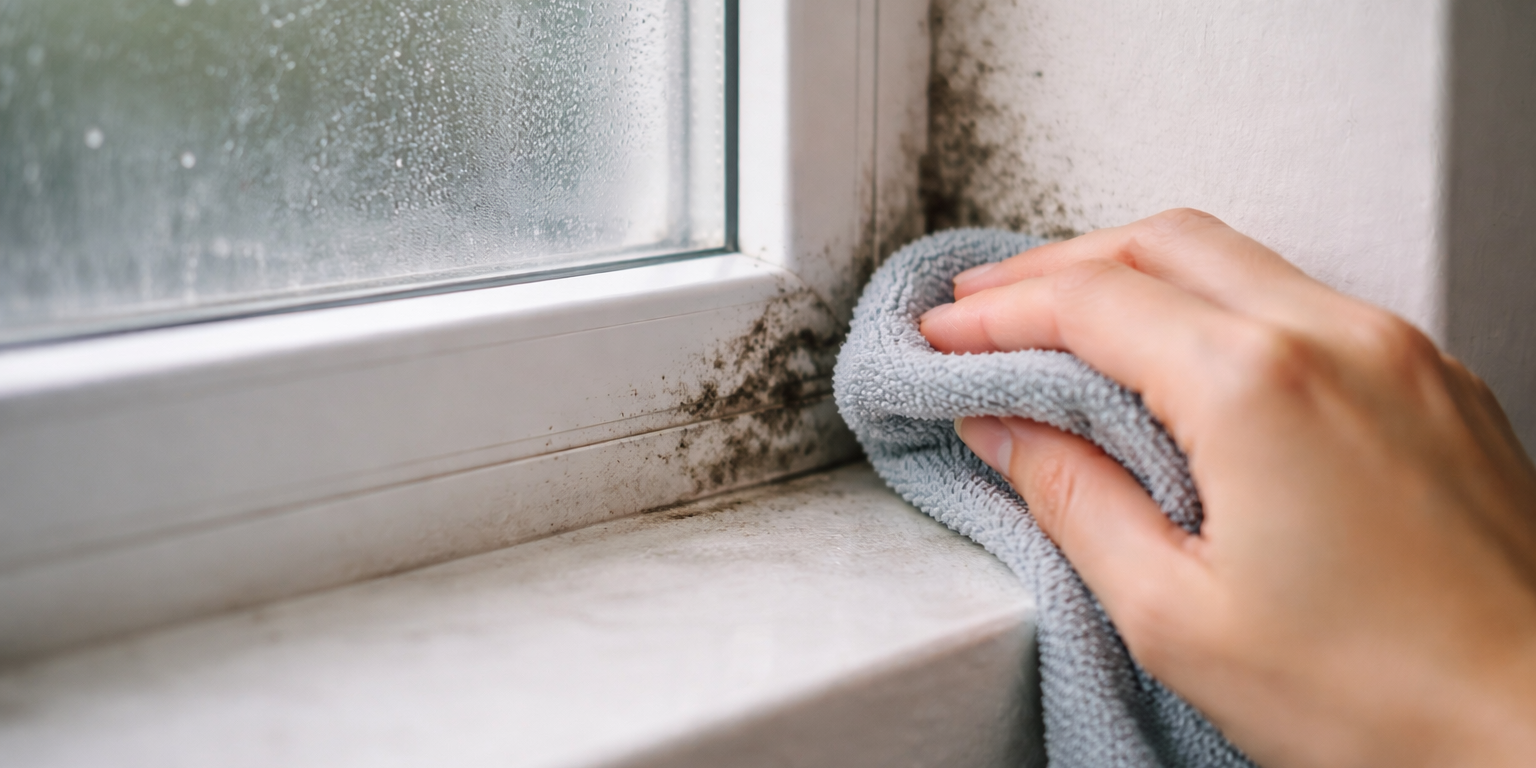
Mould is usually a moisture problem first. If you do not address the moisture, mould tends to come back, no matter how good your cleaning routine is.

This guide covers how to find it, what you can safely clean yourself, what you should not DIY, and what to do if you are already feeling unwell.

TL;DR (read this first)

  • Look for moisture first. Leaks, condensation, humidity, poor ventilation.

  • Musty smell counts, even if you cannot see mould.

  • Small areas on hard surfaces can often be cleaned safely with good ventilation and protective gear.

  • Avoid dry brushing or vacuuming mould dry. It can spread spores. 

  • Porous items that stayed wet for more than about 48 hours often need drying fast or disposal if mouldy. 

  • If you are very sensitive, have asthma, or are immunocompromised, do not do the cleanup yourself. 

A quick safety note before you start

Cleaning mould can irritate eyes, skin, and lungs. Some people should not be involved in cleanup, especially people with asthma or chronic lung disease, immune suppression, or significant mould allergy. 

If you are in that category, get someone else to handle cleanup, or use a qualified professional.


Step 1: Find the moisture source (this is the real “treatment”)

Mould needs moisture. So your first job is to work out why an area is staying damp.

Common sources:

  • Roof leaks, plumbing leaks, dripping air conditioners

  • Bathroom steam with poor ventilation

  • Condensation on windows and cold walls

  • Rising damp or subfloor moisture

  • Flooding, storms, wet carpets, wet insulation

If you only wipe the mould but the dampness continues, it usually returns.

Step 2: Know the common mould hiding spots

Mould is often not in the middle of the wall. It tends to be in corners and quiet zones where air does not move.

Check:

  • Window frames, sills, and curtains

  • Bathrooms, ceilings, grout, behind toilets

  • Under sinks and behind dishwashers

  • Behind wardrobes, especially on external walls

  • Bedrooms with closed windows and lots of soft furnishings

  • Laundries and around washing machines

  • Under rugs, behind couches, inside cars that have moisture issues

If it smells musty, treat that as a clue even if you cannot see anything.

Step 3: Decide if this is a DIY job or a professional job

A simple rule is: small and on hard surfaces is more DIY-friendly. Bigger, hidden, or structural is not.

DIY is more reasonable when:

  • The patch is small and on a hard surface (tiles, glass, sealed surfaces)

  • You can ventilate well

  • You can protect yourself with proper gear

  • There is no ongoing leak

Consider professional help when:

  • The affected area is large or keeps returning

  • Mould is in roof cavities, under floors, inside walls, or in insulation

  • There has been flooding or significant water damage

  • You have major health sensitivity and cannot tolerate exposure

  • You need to remove building materials like plasterboard

Step 4: What to wear (yes, it matters)

Protect yourself and keep spores from spreading.

At minimum for cleaning:

  • Gloves (nitrile or rubber)

  • Eye protection

  • A P2 mask (Australia) or N95 equivalent

  • Clothing that covers skin, then wash after

This aligns with Australian health guidance and occupational safety advice. 

Step 5: Do not dry brush mould

Avoid dry brushing or wiping mould dry. It can release spores into the air and spread the problem. 

Use a damp method and dispose of cloths appropriately.

Step 6: How to clean small areas safely (hard surfaces)

For routine cleanup, NSW Health suggests mild detergent or a vinegar-and-water solution, and only using bleach in specific situations when items cannot be discarded and mould is not readily removed. 

Vinegar solution (for routine cleaning)

NSW Health lists a diluted vinegar approach as an option for routine clean-up of mouldy surfaces. 

Step 7: Porous materials (soft items) are a different game

Carpet, plasterboard, insulation, mattresses, soft furniture, and some timbers can be hard to clean properly once mouldy.

WorkSafe Queensland notes that if porous materials have been wet for less than about 48 hours, you may be able to dry them quickly, but if wet longer and mould develops they can be difficult to clean properly. 

CDC guidance also emphasises that cleanup depends on the extent of water damage and can involve removing and replacing materials in bigger jobs. 

If in doubt, especially after flooding, seek professional advice.

Step 8: Drying and prevention (how to stop it coming back)

Cleaning removes what you can see. Prevention is what keeps you from doing this again next month.

Practical prevention:

  • Keep indoor humidity lower (dehumidifier can help)

  • Use exhaust fans in bathrooms and kitchens

  • Increase airflow in wardrobes and bedrooms

  • Fix leaks properly, not “later”

  • Dry wet areas fast after storms or spills

  • Avoid drying clothes indoors without ventilation

NSW Government tenant guidance also emphasises early cleaning and drying thoroughly, since mould is much harder to remove once it takes hold. 


If you are feeling unwell, do this next

If mould is part of your health picture, the best health plan starts with the same principle.

Stop the leak before you mop the floor.


That means reducing exposure as best you can, then stabilising foundations like sleep, digestion, stress response, and steady routines. If you are sensitive, avoid doing ten new supplements at once. Go one step at a time.

Mould Exposure: Why You Feel Worse and What to Do First

Mould Exposure Symptoms


Book an appointment

If you want a guided plan using acupuncture and Chinese herbal medicine, you can book an appointment here.

Book an appointment


FAQ

How do I know if mould is “bad enough” to worry about?

If it keeps returning, smells musty, is widespread, or you suspect it is hidden inside walls or ceilings, it is worth getting professional assessment. If you are very sensitive or have asthma, do not DIY cleanup. 

Is vinegar better than bleach?

NSW Health lists vinegar diluted in water as an option for routine cleanup, and bleach as an option in specific situations. Bleach has important safety considerations and may not be effective on porous surfaces. 

Should I vacuum mould?

Avoid dry methods like dry brushing, and be cautious with vacuuming mould because it can spread spores if not handled correctly. Damp cleanup methods are generally recommended in public health guidance. 

What if my landlord will not fix the leak?

Document the issue (photos, dates, communications). The underlying moisture issue needs proper repair or mould often returns. NSW Government housing guidance emphasises reporting damp and addressing maintenance issues. 


Mould Exposure Symptoms: Common Patterns

If you are trying to figure out whether mould could be part of your health picture, symptoms can feel confusing. That is because mould related issues are rarely one neat symptom. It is usually a pattern.

This page will walk you through the most common symptom patterns people report, what makes mould more likely, and what to do next without going down a rabbit hole.

Important note: This is educational and not a diagnosis. Many symptoms below can have other causes. If you are worried, book an appointment.

TL;DR (read this first)

  • Mould related symptoms are often multi-system, not just one issue.

  • The most common pattern is fatigue plus brain fog, often with sinus, skin, or gut symptoms.

  • A key clue is symptoms that improve away from a building and flare when you return.

  • The best first step is not a hardcore detox. It is reducing exposure where possible and stabilising sleep, digestion, and stress response.

  • If you want a structured plan, you can book an appointment or start with the free mould starter guide.

Why symptom “patterns” matter more than one symptom

If you only look for one signature symptom, you will miss the bigger picture. Most people I see are dealing with a mix of issues that seem unrelated. They might have fatigue, brain fog, sinus congestion, and gut flares, plus random skin reactions.

When multiple body systems are involved at the same time, it is worth stepping back and asking a better question: what is keeping the body in defence mode?

Mould can be one of those factors for some people, especially if there is ongoing exposure.

The five most common symptom patterns

1) Fatigue that does not recover with rest

This is not just “tired.” People often describe a heavy, flat fatigue, or a wired but tired feeling where they cannot switch off. They may sleep but wake unrefreshed. Some feel like their battery never charges past 30 percent.

Fatigue can come from many causes, so it is not proof of mould. What makes it more suspicious is fatigue that comes with brain fog or reactivity, or fatigue that clearly changes depending on environment.

2) Brain fog, poor focus, headaches

Brain fog is one of the most common reasons people start searching for answers. The usual description is slower thinking, word-finding issues, poor concentration, and a sense of being mentally “offline.”

Headaches can also be part of the picture, including pressure headaches, tension patterns, or headaches that flare in certain buildings. Again, this is not specific to mould. But when it clusters with sinus, fatigue, and reactivity, it becomes part of a recognisable pattern.

3) Sinus congestion, post-nasal drip, throat irritation, cough

This is the most straightforward category because it overlaps with allergies and irritant exposure. People often report:

  • persistent blocked nose or runny nose

  • post-nasal drip

  • sore throat or frequent throat clearing

  • cough or chest irritation

Sometimes the symptoms are subtle but constant. Sometimes they flare sharply when humidity rises, after rain, or when spending time in a specific room.

If you have wheezing, shortness of breath, or asthma symptoms, please speak with your GP.

4) Skin flare-ups and itching

Skin is one of the body’s loudest alarm systems. People may notice:

  • itching that is hard to explain

  • eczema flare-ups

  • hives or rashes

  • redness and sensitivity that comes and goes

Skin symptoms can be driven by many things, including food triggers, stress, and histamine-type reactivity. If mould is part of your picture, skin can be one of the places it shows up.

5) Gut symptoms (bloating, reflux, diarrhoea, constipation)

Gut symptoms are common in chronic illness generally, and mould is not the only possible driver. That said, many people with suspected mould exposure notice gut instability such as:

  • bloating and pressure

  • reflux

  • looser stools or alternating patterns

  • nausea or reduced appetite

One reason the gut matters is that when digestion is unstable, the whole system can become more reactive. Stabilising meals, timing, and tolerance is often a smarter first move than trying to “cleanse” aggressively.


Other common symptoms people report

Not everyone gets these, but they show up often enough to mention:

  • sleep disruption, vivid dreams, trouble staying asleep

  • anxiety, irritability, feeling on edge

  • dizziness or lightheadedness

  • sensitivity to smells, chemicals, smoke, or perfumes

  • muscle aches, joint pain, or increased inflammation feeling

  • new or worsening food reactions

The bigger the spread of symptoms across different systems, the more important it is to take a calm, structured approach.

Clues that make mould more likely (not proof, just clues)

Here are common clues that raise suspicion:

  • Symptoms are clearly worse in one building and better away from it

  • Musty smell, visible water damage, recurring leaks, or condensation problems

  • Symptoms worsen after rain, humidity, or being in poorly ventilated rooms

  • You feel worse after time in wardrobes, bathrooms, bedrooms, or cars with moisture issues

  • Multiple people in the same environment feel unwell, even if symptoms differ

None of these confirm anything on their own. They are just signals worth taking seriously.


What to do first (simple and practical)

If you are a beginner, the fastest way to waste time is doing too much, too soon. Try this sequence instead.

Step 1: Reduce exposure where you can

You do not need to panic, but you do need to be honest. If there is ongoing dampness or water damage, no protocol will fully “out-supplement” that. Start with the basics: ventilation, humidity control, and getting leaks assessed.

Related: What To Do If You Suspect Mould in Your Home (First Steps That Matter) (internal link)

Step 2: Stabilise foundations

This is where many people turn a corner:

  • consistent sleep timing

  • regular meals your gut tolerates

  • hydration

  • gentle movement

  • downshifting stress response

Step 3: Add support gradually

If you are sensitive, treat your body like it is already overloaded. Introduce one change at a time, start low, and track your response. If you try ten things at once, you will not know what helped or what hurt.


How Chinese medicine looks at these patterns


Chinese medicine often describes these presentations in terms of patterns such as dampness, phlegm, heat, and constraint. You can think of these as functional maps, not labels.

In practice, I focus on the basics first: digestion, sleep, stress regulation, and reducing reactivity. When the system is steadier, targeted treatment tends to land better and you get less of the “everything makes me worse” experience.


Book an appointment

If you want a guided plan using acupuncture and Chinese herbal medicine, you can book an appointment here.

Book Appointment


FAQ

Can mould cause brain fog and fatigue?

Some people report fatigue and brain fog that seems linked to certain environments. These symptoms also have many other possible causes. The practical approach is to look for patterns, reduce exposure where possible, and stabilise foundations while you get appropriate medical guidance.

Are sinus symptoms always mould?

No. Sinus symptoms are common with allergy, infections, irritants, and structural issues. Mould is one possible factor, especially with damp buildings or water damage.

What if my symptoms are mostly gut related?

Gut symptoms can be part of the picture, but they are not specific to mould. Focus first on stabilising meals, tolerance, sleep, and stress response. If exposure is ongoing, address that too.

Should I start detox supplements if I suspect mould?

If you are still exposed or very reactive, strong protocols can backfire. Many beginners do better with a staged plan and one change at a time.

What is the biggest clue that mould is involved?

A consistent pattern where symptoms improve away from a building and flare on return is a strong clue. It still is not a diagnosis, but it is worth taking seriously.

Can acupuncture help with reactivity?

It can help support regulation, sleep, pain patterns, digestion, and recovery capacity for some people. Pacing matters, especially if you are highly sensitive.